
The rest of the picture
The last piece ends with a before-and-after photo of me, April 2025 to January 2026, credited to training with Monty. The training was real, but I was also on Mounjaro, and I left that out.
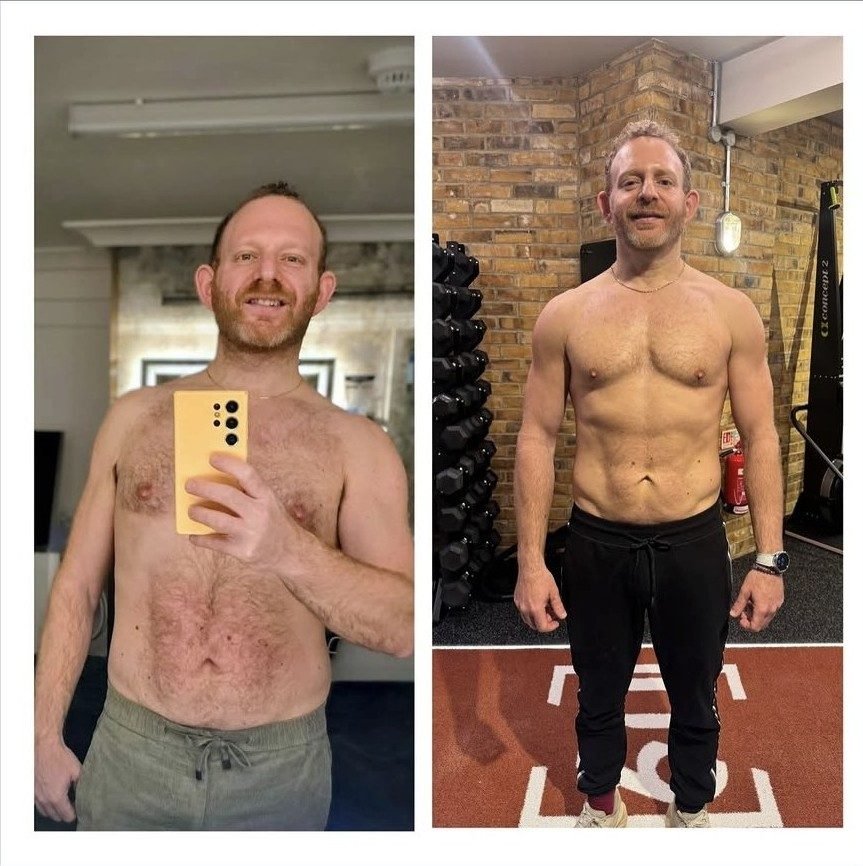
A photo like that only shows the result. Behind mine sit ten years of apps, needles and second attempts, and I'm far from the only gay man paying to look the part. The support I found along the way is why I'm building ALP Collective, and this piece fills in the rest of the picture.
2016: The body we're told to want
When I came out in 2016, the apps were my first real look at a gay world I knew little about. You're a square photo in a grid, sorted by distance, and someone decides in a second whether to reply. When you don't look a certain way, some of the people on the other end can be cruel.
Men of every orientation feel pressure to be lean and muscular, but gay men feel it hardest. The largest study I could find pooled five national US surveys covering more than 116,000 men, and found 45% of gay men were unhappy with their muscle tone and size, against 30% of straight men. Gay men were also more likely to have dieted in the past year or to have considered cosmetic surgery, which is where my own story went next.
2018 and 2021: From secret to standard
By the end of that first year out I was at my heaviest, 96kg. Orangetheory and changing how I ate got me down to 76kg during 2017, and over the next few years I set about the rest, with laser eye surgery in 2018, a hair transplant in 2021 and, since then, Botox, squeamish and scared of needles as I am.
A decade ago most people kept Botox quiet, whereas now it's something you book in a lunch break. Nine in ten cosmetic procedures in the UK are now non-surgical, mostly Botox and fillers. Video calls and social media have pushed demand younger, and two-thirds of Britons now say treatments are more socially acceptable.
Regulation hasn't kept up. Botox is a prescription-only medicine, but in England the person who actually injects it, or who injects filler, still doesn't need a medical qualification. The government has promised that councils will license practitioners, but there's still no date for when that starts. Until then, the only check on the person holding the needle is the one you do yourself.
Juan, a dermatology-trained nurse and one of ALP's partners, runs derm.medbyjuan at Kutis London Clinic, which he describes as "a proudly gay-founded clinic celebrating individuality, confidence, and inclusive skin health". He told me the person with the needle matters as much as what's in it. His focus, he says, is on "individualised treatments, not trends."
2024: One in ten
The next needle was one I'd have to use on myself. By 2024 the weight had crept back to 90kg, and in August I started the weight loss injections. It came off quickly, and some muscle went with it. I noticed it first on the squash court, where I ran out of stamina, and personal training with Monty is how I built my strength back.
I was far from alone. A UCL study estimated 1.6 million adults in Great Britain used a weight-loss jab between early 2024 and early 2025, and counting those who'd like to, the figure rises to 4.9 million, nearly one adult in ten.
The before-and-after photos leave out what goes with the weight. In the main tirzepatide trial about a quarter of the weight lost was lean mass, and last December ukactive and Les Mills likened that kind of muscle loss to roughly ten years of ageing. Their review recommends that everyone on the jabs strength trains two or three times a week, yet ukactive's polling of more than 4,000 adults found a third of us do no muscle-strengthening exercise at all, and 31% aren't at all confident they'd know how to start. The jab can get you the after photo, but it's strength training that helps you keep it.
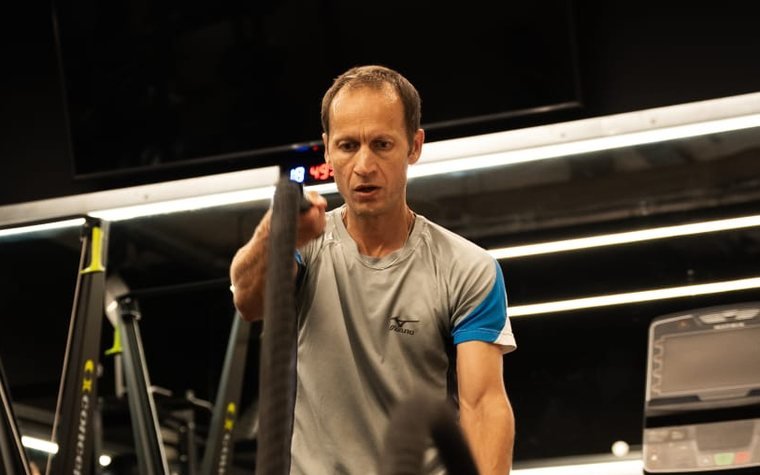
Strength matters whether or not you're on the jabs, and that 31% is the figure that rings truest from Monty's classes, where the hardest part seems to be starting and then coming back the next week. David, one of our regulars, has been building his strength as he gets older, and his feedback was short and to the point.
“I'd been struggling to motivate myself with weights. He's a great trainer. I've bought five more classes.”
He's since moved up to a ten-class pack, which now comes with member perks from our partners.
Now: When looking the part is the job
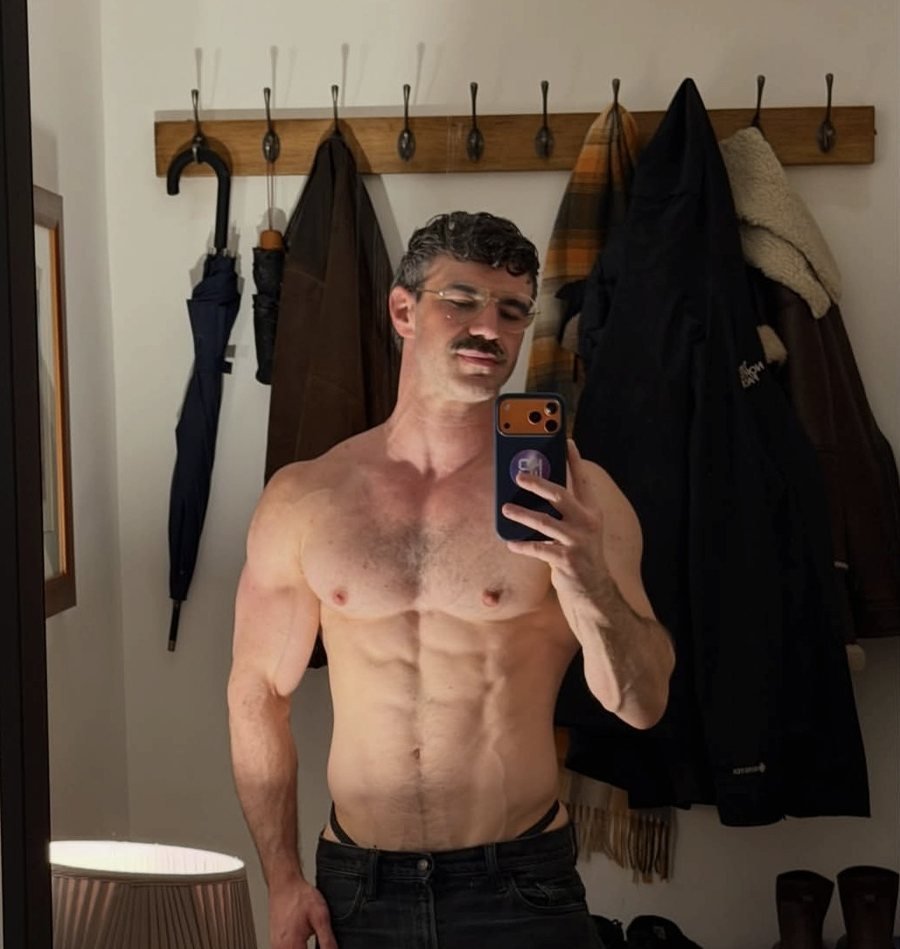
Everything so far has been about paying to look the part. For a growing number of men in our community, looking the part has become the job, with some or all of their living earned from their bodies on Instagram and subscription sites such as OnlyFans. The company behind OnlyFans reported about 4.6 million creator accounts in 2024 and paid creators around $5.8 billion. Nobody publishes how many are gay or bisexual men, though ten minutes on the apps will show you the links in people's profiles.
Is that about body image? Partly, but it's also about money, and about a first rung on the job ladder that's getting harder to reach. Early in 2026 just over a million 16 to 24-year-olds were out of work, education and training, the most since 2013, and almost half of medium and larger UK firms told the Work Foundation they had fewer vacancies for young people than a year earlier, partly because of AI.
Set against that, a phone and a gym membership can look like a business plan. My friend Corey (@coreyblimey) makes his living as a creator, and rather than squeeze his answer into a line here, he's telling it in his own words in a bonus Q&A on @alp.collective this week.
A place to call home
None of this is an argument against weight loss jabs or Botox. I've had both, and I'd make the same choices again, not least for the confidence that came with them: I'll take my shirt off at the gym or on a beach now without thinking twice. What made the difference was the support around the treatment, and that's what I want ALP to offer.
This piece has focused on gay men because that's where my own story sits, but the pressure isn't ours alone, and nor is what tends to come with it. The government's latest loneliness survey, drawn from more than 175,000 responses in England, found 11% of gay and lesbian adults feel lonely often or always, almost twice the 6% of straight adults, with bisexual adults higher still at 14%. Smaller studies of gay and bisexual men have found that those most preoccupied with their muscles also tend to be the loneliest, which suggests the body and being alone are more closely linked than we may want to admit.
For me, the answer to being alone has always been sport. At Solihull Blossomfield the courts were the reason to go, and the clubhouse was why people from the tennis, hockey and cricket sections stayed.
Our ALP.ha PASS directory lists around 90 LGBTQ+ sports clubs and groups across London, yet none of the 49 that publish a venue has a clubhouse of its own. Even the Kings Cross Steelers, London's longest-running gay rugby club, share East London RFC's. The rest hire courts and pitches by the hour or meet in a park, then head to a pub or home.
Those pubs and bars are going too, as the first piece in this series found. London had 127 LGBTQ+ venues in 2006 and has 64 today, and in October Zodiac Bar in Camden, one of the few trans-founded LGBTQ+ venues in London, announced it is closing after five years. If the bar can no longer be the community's front room, what replaces it has to be built around doing things together, with somewhere to stay once the game is over.
What we're building
After the last piece, Jane Panrucker from the Bloss wrote that it was a pity ALP wasn't around when young Anthony was growing up, and that's the gap we want to fill: a clubhouse for sport, fitness and wellbeing, for an LGBTQ+ community that has never had one.
ALP doesn't have a building yet, and we're pre-lease. What we do have are the small coached strength classes David goes to, already running. Plenty of people want to look the part but find it hard to start, and they're the people the fitness industry is missing. The aim is a permanent place the whole community can call home, with strength training whether or not you're on the jabs, injectables from practitioners willing to say no, room for groups who need it and, most of all, other people around you while you're there.
Some of that is already being asked for. One LGBTQ+ sports club asked whether we could run a closed gym session, with a private changing area, for its FLINTA members (women, lesbians, intersex, non-binary, trans and agender people). A shared space should be able to say yes to that, with the same room holding a strength class one evening and a closed session the next.
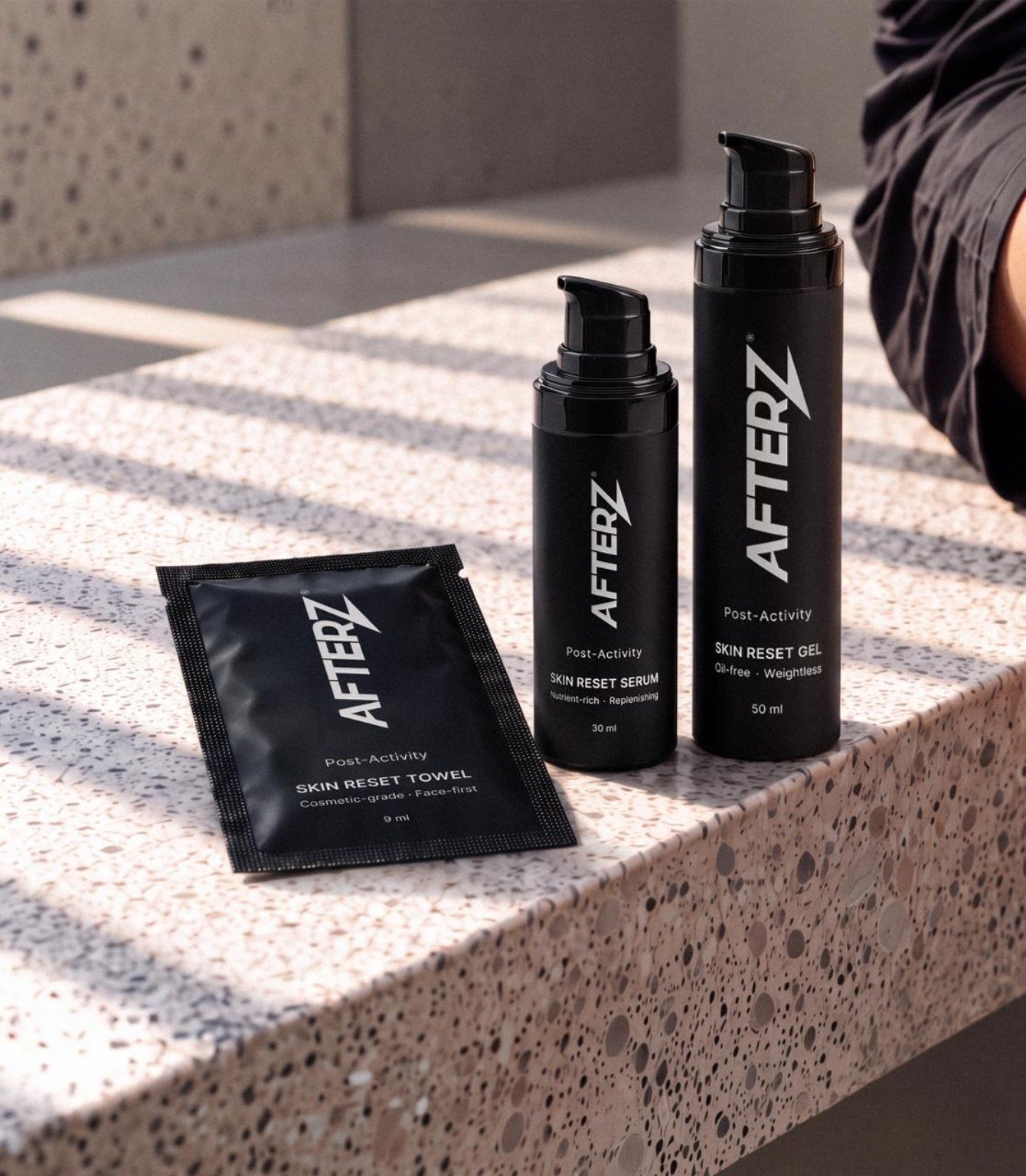
It's also about the people building things alongside us. Through our perks page we back independent founders whose work fits that picture, from AFTERZ's post-workout skincare and Patrick at King's Cross Sports Therapy to Friend of Dorothy's creatine gummies and Club Seven's underwear. Club Seven's founder started out as a fitness model, and the brand sums up its approach in a line we'd happily put our name to: "Our inclusivity is the foundation of everything we do. Everyone is welcome here." Where a partner pays us a referral commission, it goes towards creating our permanent home.
If you're an LGBTQ+ founder building something in the same spirit, we'd like to hear from you through our Work With Us page.
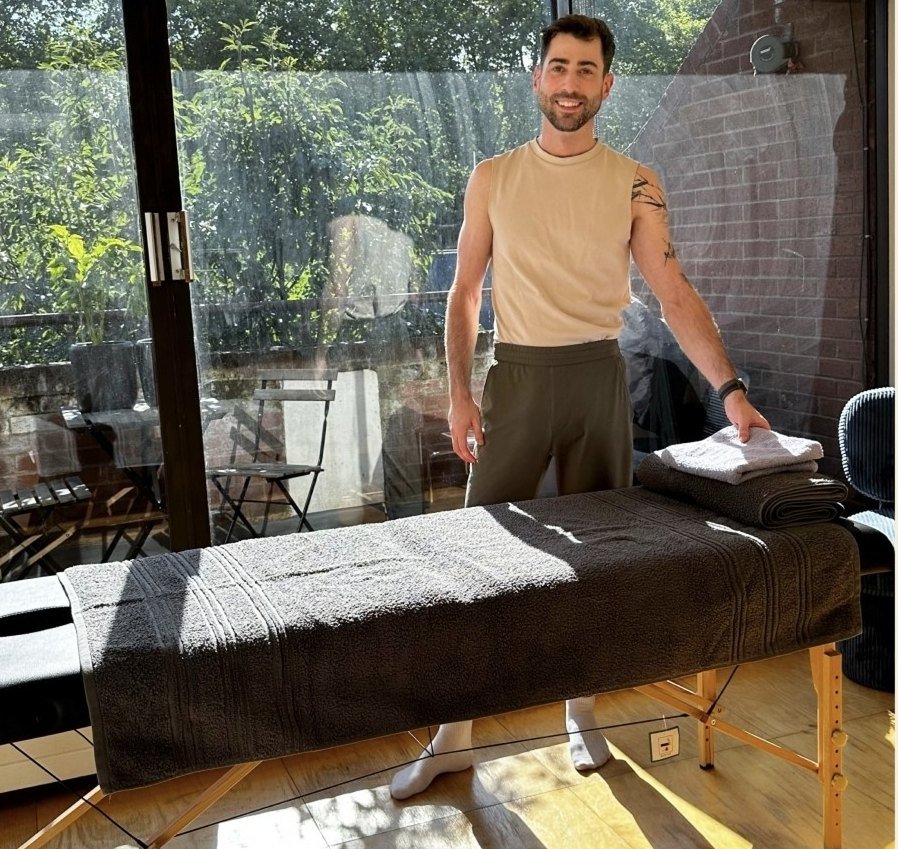
The pressure to look the part isn't going away, and no building will switch it off. The photo at the end of the last piece shows what the jab and the training did, but it doesn't show the people who kept me turning up. That's the rest of the picture, and it's what we're building.
Welcome home.
Make room for Joy.
Coming next. What's opening, and who pays for it: the new LGBTQ+ spaces opening across London, who's funding them, and what's still missing. Follow @alp.collective to hear when it's out.
Previously. Coming out twice, and the clubs that kept me steady and Two Soho venues closed – where does the LGBT community go now?
Sources. Interviews: Juan (derm.medbyjuan), an ALP partner, speaking to the author in October 2026; Corey (@coreyblimey), a content creator, named with his consent, with his own account in a bonus Q&A on @alp.collective; David's class feedback is as published on alpcollective.uk. No other interviews were conducted for this piece. Body image: Frederick and Essayli, Psychology of Men & Masculinity, 2016, 116,356 men across five US national studies, via Chapman University. Club Seven: Club Seven blog, October 2026. Cosmetic procedures: LaingBuisson; YouGov. Regulation: House of Commons Library. Weight-loss jabs: UCL study in BMC Medicine, January 2026; SURMOUNT-1 body composition substudy. Strength training: ukactive and Les Mills, December 2025; ukactive and Les Mills, January 2026. Creators and jobs: RTÉ on Fenix International accounts; ONS NEET figures; Work Foundation, via Reuters. Loneliness: DCMS Community and Engagement Survey 2025/26; Chaney, 2008. Clubhouses: ALP Collective review of the 49 ALP.ha PASS clubs with a published venue, October 2026; East London RFC. Venues: ALP.ha AFTER DARK, built from the Greater London Authority venue tracker (2006–2024) and ALP Collective's 2025–26 update; Zodiac Bar, Attitude.