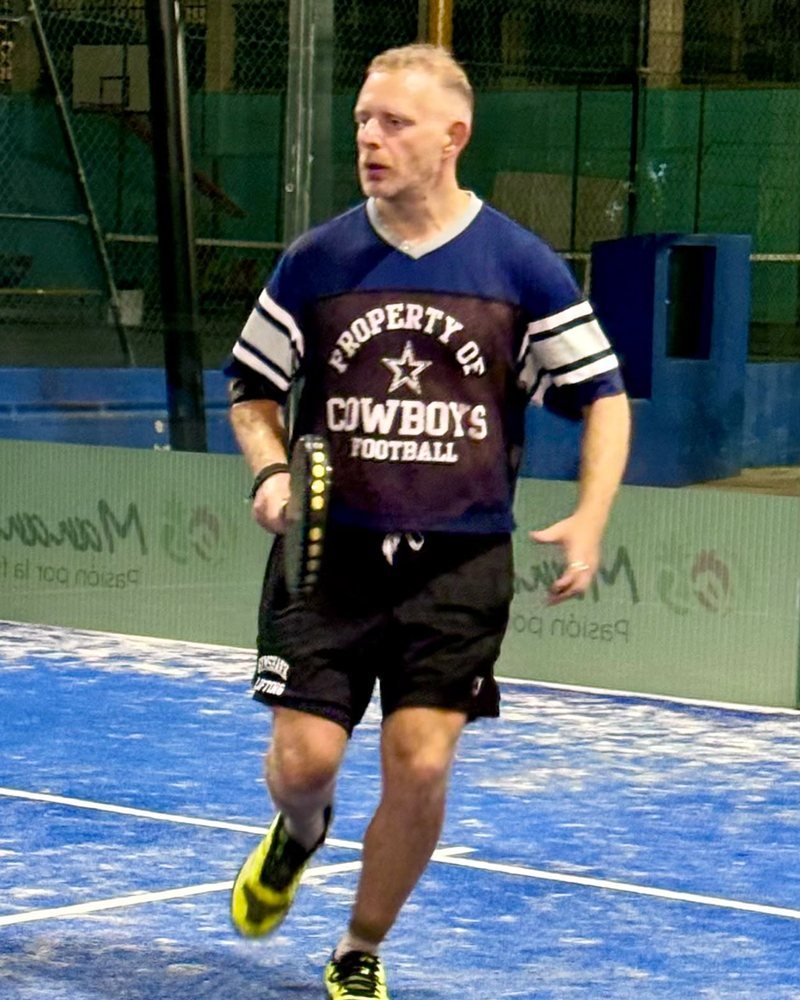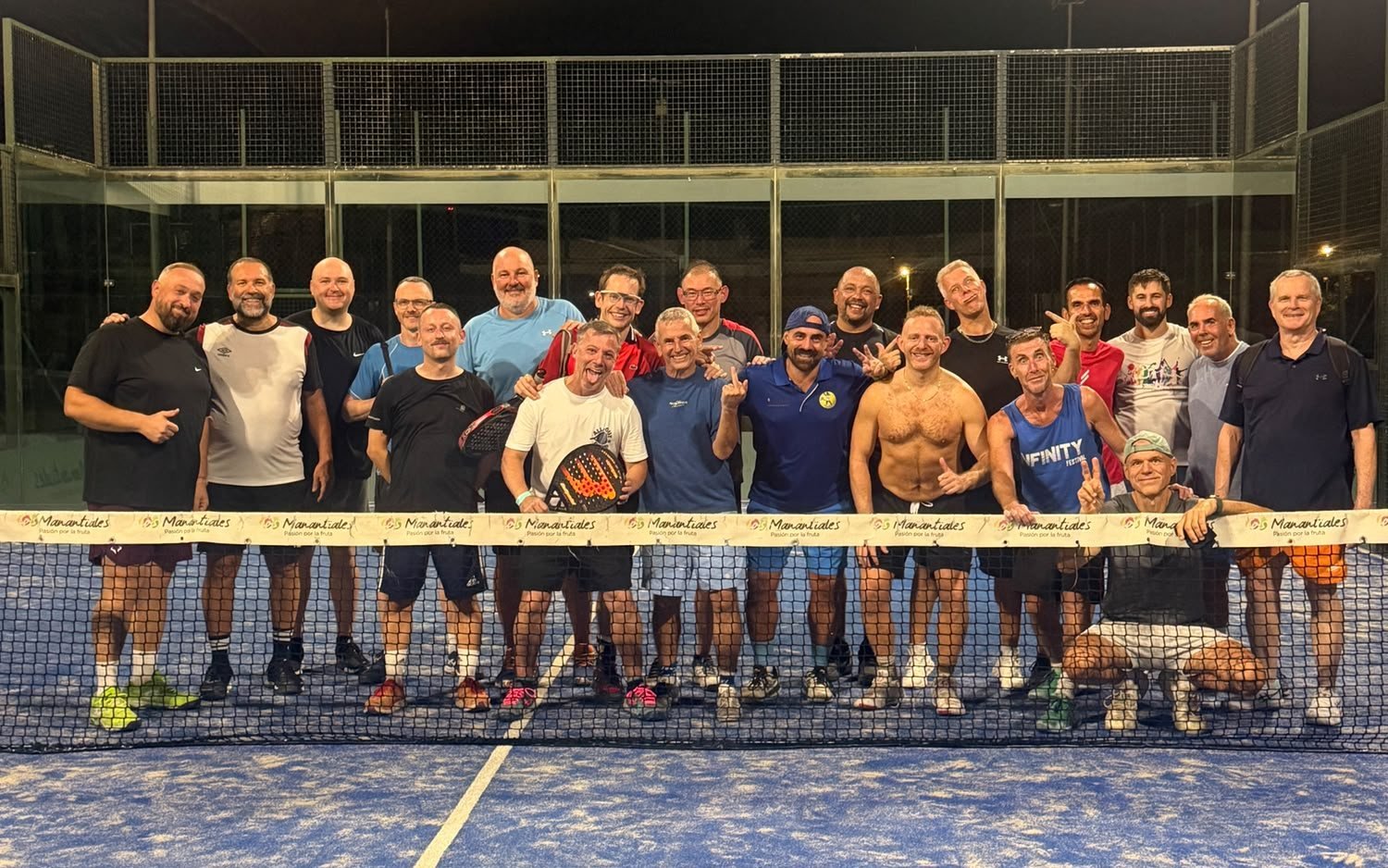
I've written most of this sitting courtside in Torremolinos, waiting my turn. There are twelve of us out here for All-Out Padel's first coaching trip, playing against Diversport and Pepelu, the local LGBT padel groups who have hosted us on courts hired for the weekend.
Back home, two of Soho's best-known venues have gone in the past year. G-A-Y Bar served its last drinks on Old Compton Street in October 2025, after twenty-five years. CIRCA announced in July 2026 that it would close rather than renew its lease, a few weeks after celebrating its fifteenth Pride on the same street.
The reaction both times ran along the same lines. Another LGBT venue gone, the scene is dying, nobody goes out any more. I understand why people get there, but the operators themselves gave rather different reasons.
What they actually said
Jeremy Joseph closed G-A-Y after a long fight over a rent review at his other venue, Heaven. Speaking to the BBC and others at the time, he described the financial and mental damage of that process as irreparable. He also said Old Compton Street had lost its LGBT identity, and that during Pride month a third of the businesses on the street couldn't be bothered to put a flag out.
CIRCA's statement, posted on Instagram in July 2026 and reported by Gay Times, was quieter. Approaching the end of their lease, they wrote, the decision on whether to renew came down to whether they could honour and improve on their own history. They concluded, with regret, that they couldn't.
That is a solvent business with a loyal crowd, looking at the terms on offer and walking away.
When G-A-Y Bar went on the market it carried a rent of £410,000 a year. It's worth sitting with that figure for a moment. One room, earning almost entirely from alcohol, over a few hours on the nights people choose to go out. Empty at ten in the morning and empty most of the week. All of that rent has to come back in a narrow window, from one product, sold to one crowd.
A business like that has nothing to fall back on. A licensing dispute, building works next door, a rent review, a slow January, and there's no second income line carrying the cost while you sort it out. Joseph's other venue closing temporarily was enough to put G-A-Y at risk. It holds up right until something goes wrong, and then the lights go out.
None of which is unique to queer venues. Rates, energy and wages have moved the same way for every pub in the country. The difference is that when a queer venue goes there usually isn't another one down the road.
While I'm on the subject of rent, the padel court we're playing on costs €10 an hour. It belongs to the town, it's outdoors because the weather allows it, and anyone can book it. A padel court in most of London runs at around £60 an hour. An hour of private coaching here is €40. At my usual place in London it's £100.
Not all of that is rent. But a good part of it is that Torremolinos treated a court as a public amenity, while in London the same court has to service a commercial lease before anyone has hit a ball.
This isn't abstract for me. Scott Humphreys, one of our founding partners at ALP, closed his own queer barbering space last year. A room that only earned while he was standing in it, carrying a rent that didn't care whether he was.
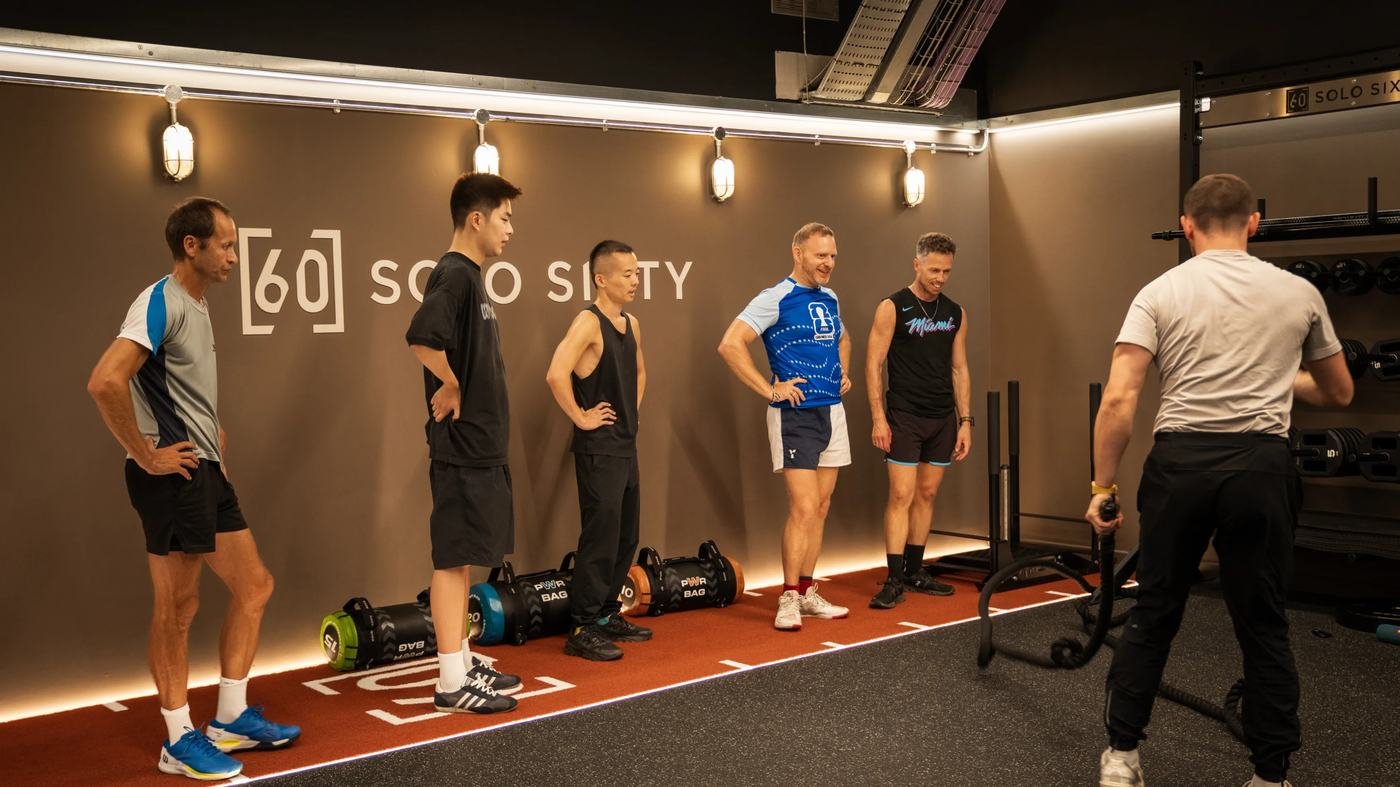
Connor Minney knows both versions of this. In December 2021 GRNDHOUSE, the strength-training business he co-founded, opened a studio in Paddington, with a shop, changing rooms and a coffee counter. The studio has since closed. In March 2024 he started Gayns as a Saturday run club. By his own account it now draws 250 to 300 runners a week and a community of more than 40,000, without a building of its own.
There's a fair question buried in all this. If the problem is a room that only earns for a few hours, why didn't the venues fix it themselves? Mostly because the licence, the layout and the staffing are built around one job, and converting a nightclub into somewhere you'd want to work at eleven in the morning costs money a business under rent pressure hasn't got. Which is an argument for designing it in from the start rather than bolting it on later.
Heaven may be about to test that. In September Westminster City Council listed it as an Asset of Community Value for the second time, which gives the community six months to bid if the building is ever sold. It doesn't pay the rent. Jeremy Joseph has asked the Charity Commission for permission to give the club to the G-A-Y Foundation, and wants to turn its stage bar into a free LGBTQ+ gym, at a cost of around £120,000 he's raising through donations and sponsored runs. He's billing it as a community venue by day and a nightclub by night.
So is that it?
Probably not, though I'd be guessing if I claimed to know.
The American LGBTQ+ publication Them reported this year on the same pattern of closures across the US. One line in it has stuck with me: many people, especially younger people, don't have a third space any more. Not home, not work, somewhere else.
Which says less about bars than about the absence of anywhere at all.
Making room for joy
What I notice, week to week, doesn't match the decline story.
Over the past eighteen months, after a break-up, I've been rebuilding my social life as a single gay man. Almost none of it has happened in a venue. I go to Gayns Rush, the gym class run by the Getgayns group. I joined the Ministry, a members' club that hosts LGBT nights including ones run by Gayns, Friend of Dorothy and Trybz. Natty, our Chief Joy Officer, gets me to Barks and Boys, a monthly social for LGBT dog owners and their dogs, which is unquestionably the high point of his month. I still play for Outplay Squash at international weekend tournaments, ten years after nervously joining it, my first LGBT group, in 2016. And I run a monthly All-Out Padel americano at PadelBox Bermondsey.