
The courts in Bermondsey
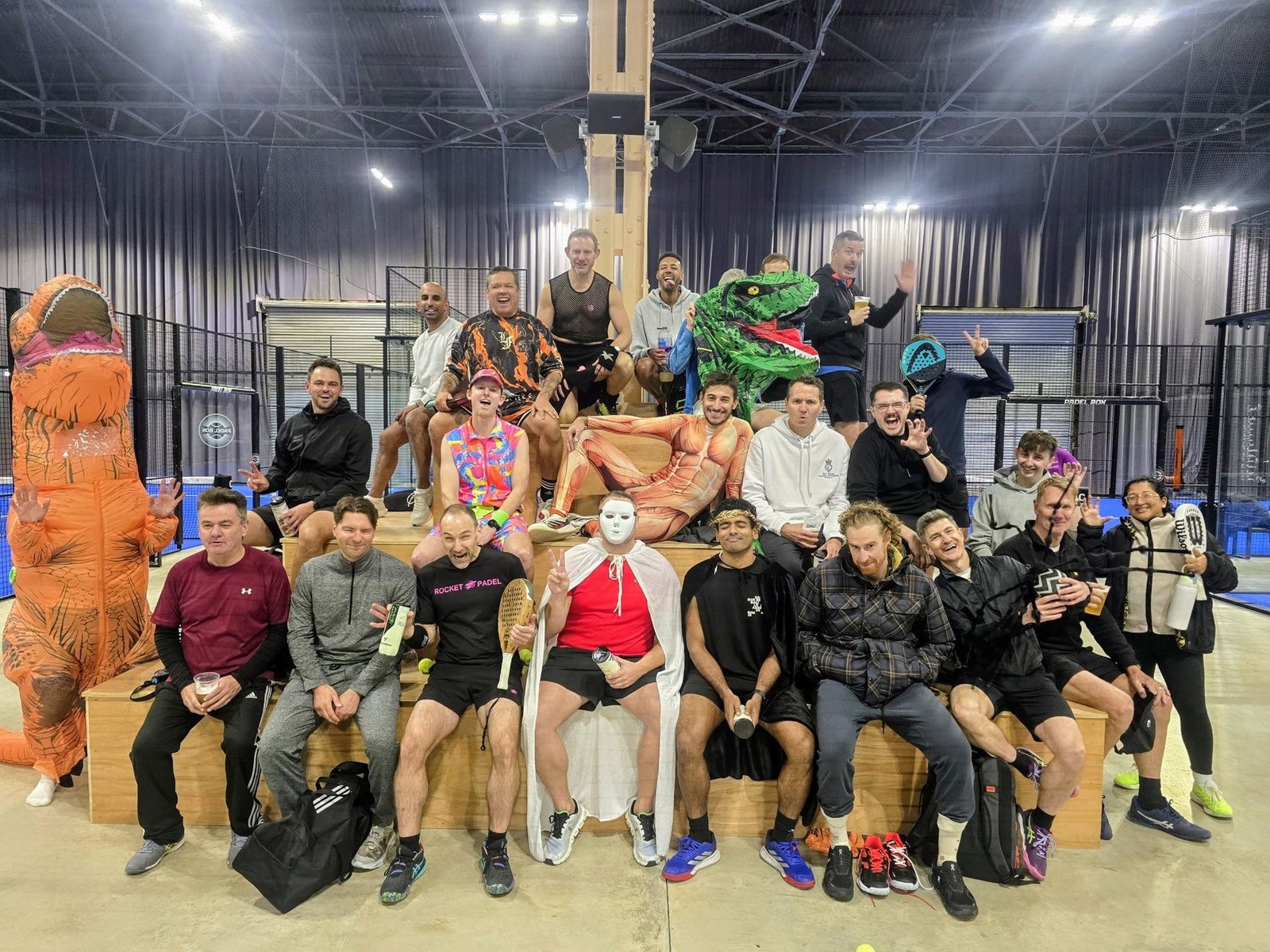
It's 3.30pm on a Sunday and the five courts at PadelBox Bermondsey are booked under my name. There are thirty of us, most of whom didn't know each other a year ago. Some are here for the first time; others are allies from the PadelBox community. The americano format means you change partner every round, so by the third game you've played with most of your levelled group.
I organise this once a month for All-Out Padel. I spend most of it holding a phone with the schedule and scoreboard on it and shouting court numbers.
Ten years ago I wouldn't have had the confidence to do this. This piece is about how I got from there to here, and why it's the reason I'm trying to build something new.
Always looking for a club
Sport has been how I've made friends for as long as I can remember. As a teenager I more or less lived at Solihull Blossomfield, an all-sports club where I played tennis. Some of my closest friends came from the hockey and cricket sections too, and they still have a place despite me having long moved to London.
I picked Durham for university partly because of the colleges. I liked the idea of belonging to something smaller inside something big. I played pool and darts for my college (having mastered them at the Bloss) and ended up captain and treasurer of the university tennis club.
I was diagnosed with bipolar at the end of my third year, at 21. I've written about that on LinkedIn, so I won't go over it again here, except to say this. I've never found it easy to make close connections quickly. It takes me longer than most people, and some of the reasons for that I'm still working out. A club gives you a reason to keep turning up while the slower part happens.
New York, January 2015
In August 2014 I was best man at a best friend's wedding, a colleague from work. A few months afterwards I told him I was gay. I was embarrassed I hadn't managed it before the wedding. His brother-in-law is gay, and I knew there would never be a problem. I still couldn't say it.
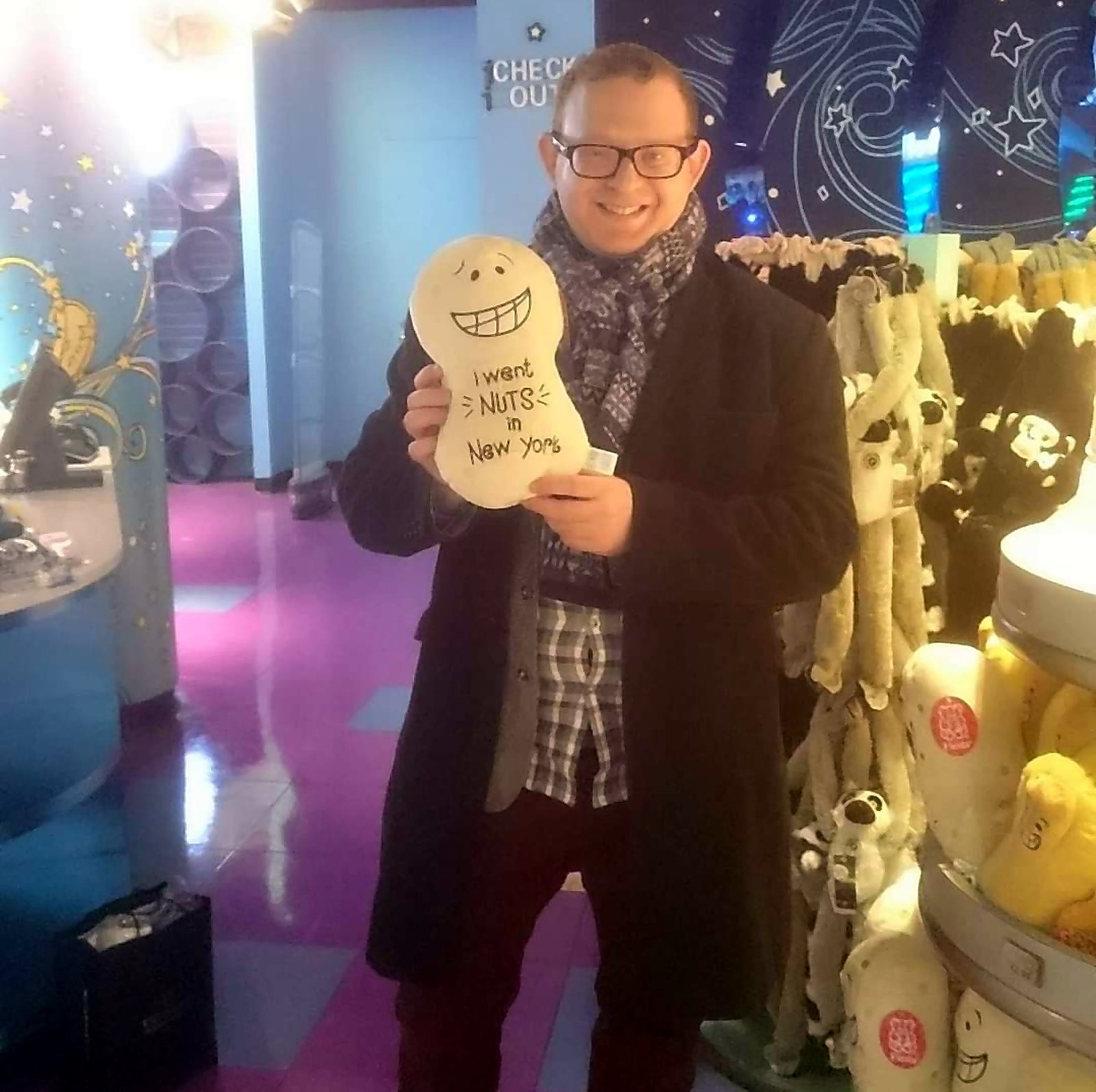
A month later a work trip to New York cracked something open. There's a photo of me in Toys R Us holding up a giant peanut, grinning. Going nuts in New York. I didn't know then that I'd one day own a dog called Nutcracker (Natty for short), but I like that the joke came round again.
A year on the website
I found Outplay Squash online in 2015. I read every page of their site. I knew it was right for me, and it still took me a year to go.
Part of it was never having been in a room as an out gay man. Part of it was how I looked. I wore glasses, I was overweight and I didn't like what I saw in photos. I'd also absorbed a picture of what a gay man was supposed to be, and I didn't fit it. I hate musicals. I'd rather watch football than go to a gallery, though I've got two left feet, which is why I play racquet sports instead.
I'm still not a scene person. I don't go clubbing, and recreational drugs are a big part of that world for some people. They've never been part of mine.
In January 2016 I finally turned up. That was the year I came out properly, to everyone. I knew I was gay in the second year of school. It took me 20 years to fully accept it myself before this coming out at 33.
What I found was a group of men who were as into their sport as I was. Within a year we were going away on trips together, and in 2018 I attended my first Gay Games in Paris.

What changed, and what it cost
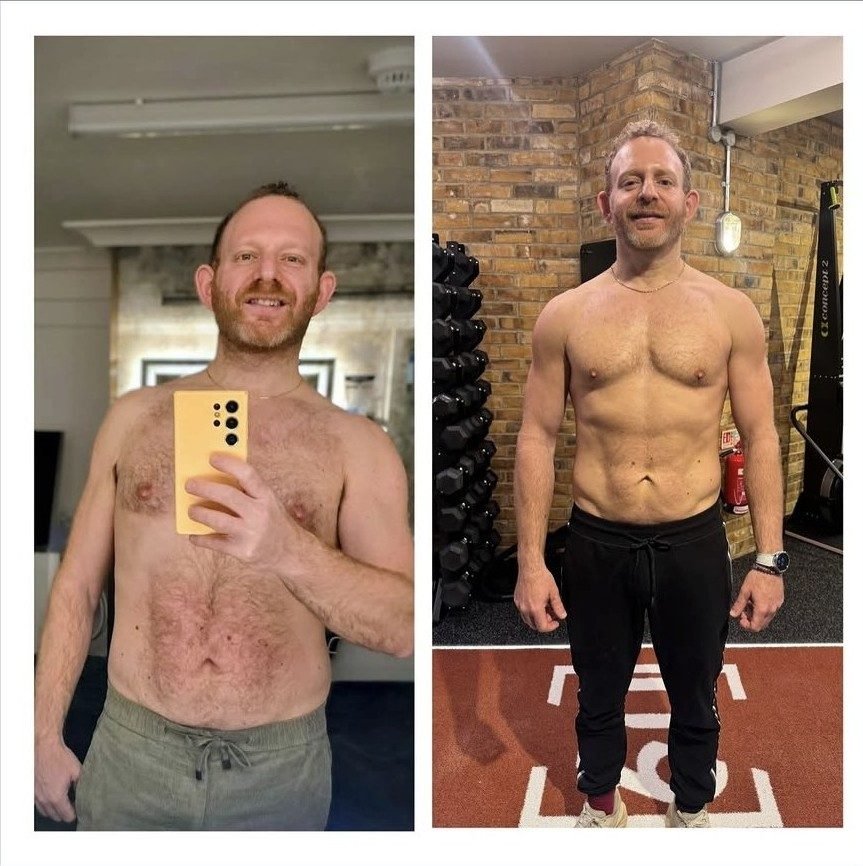
More friends meant more nights out, and by the end of that first year I'd put weight back on. Orangetheory Fitness had a studio round the corner from my flat. I'd been thinking about it for years, and I finally joined. Between the classes and changing how I ate, I lost a lot of weight that year. People who saw me after a few months were surprised by how fast it went.
What surprised me was how differently people treated me. First meetings changed. The dating apps changed most. When you don't look a certain way, some people on those apps can be cruel, and I was finding that out at the same time as learning how to be gay at all. With bipolar in the mix, that wasn't an easy year.
I've since had laser eye surgery, a hair transplant and Botox. I want to look properly at why so many of us feel we have to, and where it stops being about feeling good. That's the next piece, along with the apps and the screens, and the strange fact that the same tools letting someone like me build all this are part of what's keeping us indoors and comparing ourselves to everyone else.
Why a gym, when gyms are closing?
People ask me this a lot. I understand why.
I was an Orangetheory member for eight years. Towards the end I went less often, but I was on a founder rate and it had become a small community of its own, so I kept paying. The brand arrived with big plans. In 2017 its new UK master franchisee announced 70 studios over ten years, at least 30 of them in London. By late 2023 London had four, and they were sold to the boutique operator Digme, which planned four more. Just over a year later, in January 2025, all four closed. I enquired about taking on the London franchise and was told it would need around £2 million.
It felt like the end of something. It was also how I found Monty, the personal trainer I've worked with since, with the odd class booked through ClassPass. For me that worked better than signing up to another big chain.
That closure is partly why ALP isn't a gym. A gym is somewhere you go to train and then leave. I lost both my parents in my late thirties, not long after I'd finally come out. Joy was my mum's middle name, and it's at the heart of ALP. What helped most then was seeing the same people at squash every week.
How it fits together, in my head at least
It's tempting to blame Covid for how disconnected things feel. The numbers don't quite support that. Most of London's LGBTQ+ venue closures happened before 2017: 127 venues in 2006, 55 by 2017, 65 today. You can watch those twenty years unfold on our ALP.ha AFTER DARK map. What has got worse is the wait for help. Rethink Mental Illness found people are now around twelve times more likely to wait over 18 months for mental health treatment than for physical health treatment.
Meanwhile more of our time goes on screens. I've built most of ALP so far with AI, and I'm aware of the irony. It's made things possible for me that weren't even a couple of years ago. It's also another reason to stay in.
It's also why I've started giving other people a bit of my platform. Dante is a Peruvian portrait painter; he has a gallery space and an open weekend but no website of his own, so this week I put him up on ours. I'm calling it Makers, making room for the smaller operators alongside the founding partners. A place where those people can coexist is roughly the whole idea.
The groups I see growing are the ones built around doing something together. One organiser I've got to know, Oliver James of Friend of Dorothy, started his events because he was lonely, bringing up three young children as a single gay dad.
About a year ago I joined The Ministry as a members' club. I went for the gym in the basement and somewhere to work at weekends. What I didn't expect was how many LGBTQ+ events now run there, put on by organisers who don't have a space of their own.
I should be honest about one more thing. The way my mind works, partly the bipolar, means I tend to see connections between things that others don't always follow. The maps on our website, of London's queer bars and clubs, dog-friendly spots, sports clubs and more, are all being drawn as a ski piste map: one mountain, lots of runs going off in different directions. That's roughly what ALP looks like in my head.
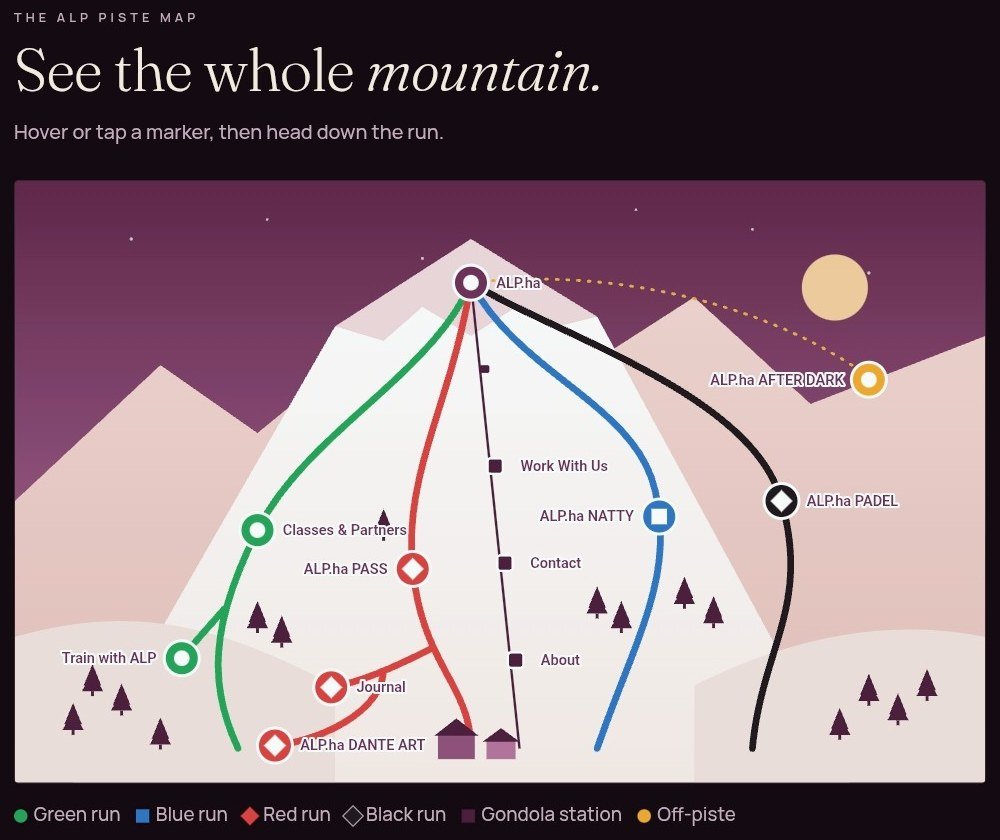
ALP Collective doesn't have the building yet. We're pre-lease, testing the idea with classes and partners who are already running. The hypothesis is simple enough: a place where those runs meet, somewhere you'd spend an evening and not just an hour.
When I think of being on the courts at the Bloss, day and night, that's what I'm trying to make permanent.
“Keep doing what you're driven to Sweetheart, it's a pity you weren't around when young Plotters was growing up.”
Welcome home.
Make room for Joy.
Read next. The pressure to look the part: ten years of apps, needles and second attempts, what the evidence says about the pressure on gay men to look the part, and why the answer is a place to call home.
Previously. Two Soho venues closed – where does the LGBT community go now? Or explore London's LGBTQ+ venues since 2006 on ALP.ha AFTER DARK, and the clubs in this piece on ALP.ha PASS.
Sources. No interviews were conducted for this piece. Jane Panrucker is quoted from a message to the author, with her permission. Oliver James has read the piece and agreed to be named. Venue numbers: ALP.ha AFTER DARK, built from the Greater London Authority venue tracker (2006–2024) and ALP Collective's own 2025–26 update. Waiting times: Rethink Mental Illness, Right Treatment, Right Time, 2025. Orangetheory UK plans: Orangetheory Fitness press release, April 2017; Athletech News, November 2023. The January 2025 closures and the franchise figure are from the author's own experience.